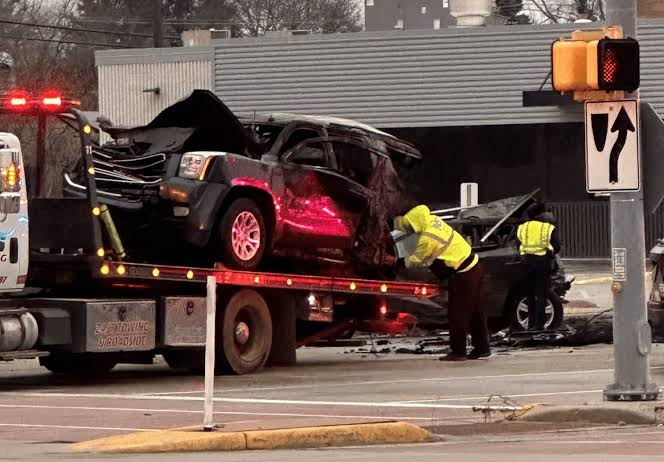
A car crash in Las Vegas can wreck more than your car. In a few minutes, you can face police questions, pushy insurance calls, and growing medical bills. You may feel shock, fear, and pressure to sign papers or say things you do not mean. One rushed choice can cost you money and legal rights. This guide walks you through ten common mistakes people make after a crash on Las Vegas streets and highways. It shows you what to say, what to write, and what to refuse. It explains how to protect your health, your time, and your claim. It also points you to trusted help like blakefriedmanlaw.com when you need a strong legal voice. You deserve clear steps, not confusion. You can avoid these mistakes and gain control again.
1. Leaving the scene too soon
Never leave before you meet three basic duties. You must stop, check for injuries, and share your name, contact information, and insurance with the other driver. You also must wait for police if there are injuries or heavy damage.
Police reports often carry strong weight with insurers and courts. The National Highway Traffic Safety Administration explains how crash reporting supports safety and legal claims. If you leave early, you risk criminal charges and a weaker claim. Stay calm, stay present, and wait for officers to say you can go.
2. Failing to call 911
You may feel tempted to settle things in the street. That choice can hurt you. Always call 911 after a crash with injuries, pain, or clear damage. Tell the dispatcher your location, how many cars are involved, and if anyone seems hurt.
Paramedics can find injuries that you cannot see. Police can control traffic and document what happened. Without that record, the other driver may later change their story. A short call can protect your safety and your claim.
3. Not getting medical care right away
Many injuries hide. You may feel only stiff or tired. Then pain grows over the next day. If you wait, insurers may say the crash did not cause your pain.
See a doctor as soon as possible. This can be an emergency room, urgent care, or your doctor. Tell them every symptom, even mild ones. Ask for copies of your visit notes. The National Library of Medicine explains that early treatment for traumatic injury can prevent worse harm. Early care protects your health and creates a clear record.
4. Admitting fault or apologizing
You may feel pressure to say “I am sorry” even when you did nothing wrong. Insurance companies can twist simple words into an admission of fault.
Instead, stick to facts. Say where you were, what light you had, and what you saw. Let police and insurers sort out blame. You can show concern without taking blame. Ask if anyone needs help. Call 911. Share information. Stay kind and quiet about fault.
5. Forgetting to collect evidence
Evidence fades fast. Skid marks disappear. Cars move. Witnesses leave. You can protect yourself with three simple steps.
- Take photos of all cars, plates, damage, and street signs
- Record the time, weather, and traffic conditions
- Ask witnesses for names and phone numbers
Use your phone camera. Take many pictures from different angles. Later, these images can help show speed, impact, and who had the right of way.
6. Trusting the insurance company to “handle everything”
Insurance adjusters work for their company. Their goal is to pay as little as possible. They may sound kind and patient. Still, they use your words to reduce your claim.
Do not give a recorded statement on the spot. Do not guess about your injuries or car damage. Say you will share information after you talk with your doctor and legal counsel. You can still be honest and calm while you protect yourself.
7. Posting about the crash on social media
Anything you post can be used against you. A simple photo of you smiling at dinner the night after the crash can be used to argue that you are not in pain.
Avoid posts, comments, or jokes about the crash. Ask family and children not to post about it. Silence online keeps your claim safer and your story clear.
8. Accepting a fast settlement
Fast money can feel like relief. Medical bills and missed work can scare any family. Yet early offers often ignore future costs.
Common costs that show up later include:
- Physical therapy
- Future doctor visits
- Lost future income
- Car rental and repair delays
Once you accept and sign, you usually cannot ask for more. Take time to understand your injuries and all your losses before you agree.
9. Misunderstanding Nevada deadlines
Nevada law gives you limited time to bring a claim for injury or property damage. If you miss the deadline, courts may refuse to hear your case. That means no recovery, even if the other driver clearly caused the crash.
You also face shorter deadlines for some insurance claims. These can include uninsured motorist claims or claims against government vehicles. Quick action protects your rights and keeps options open.
10. Trying to handle complex claims alone
Some crashes are simple. Others involve drunk drivers, ride share cars, trucks, or tourists. These cases can bring many insurers and confusing rules.
Legal guidance can help you sort out fault, review offers, and plan for long term needs. You can ask questions and understand your choices. Resources like blakefriedmanlaw.com can help you review your case and protect your claim.
Quick comparison: smart choices after a crash
| Issue | Common mistake | Better action |
|---|---|---|
| Leaving the scene | Driving away before police arrive | Stay, call 911, wait for officers to clear you |
| Medical care | Waiting days to see a doctor | Get checked the same day and follow all advice |
| Talking about fault | Apologizing or accepting blame | Share facts only and let reports decide fault |
| Insurance contact | Giving a long recorded statement | Report the crash, then wait for guidance |
| Social media | Posting photos and comments | Stay quiet online about the crash and injuries |
| Settlement | Taking the first quick offer | Review bills, future care, and lost work first |
Take calm, steady steps
A crash can shake any person or family. You cannot erase what happened. You can control what you do next. Stay at the scene. Call 911. Get medical care. Protect your words and your evidence. Then seek legal help if you feel unsure.
Each careful step guards your health, your income, and your future choices. You do not need to rush. You only need to move with purpose and protect yourself and your loved ones.
About the Author