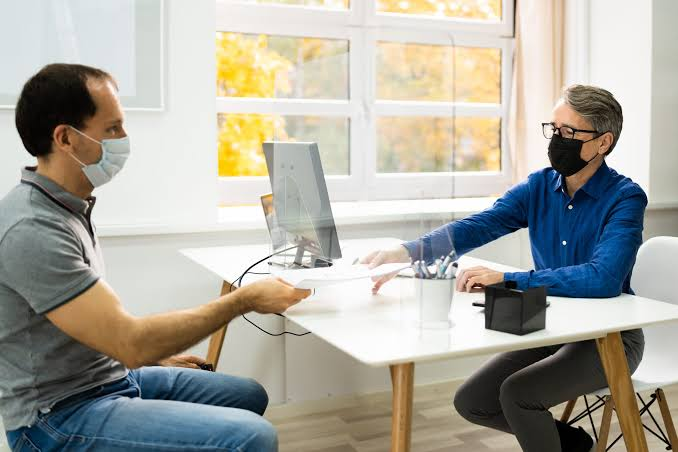
When your child needs care at home, the first visit from a nurse can feel heavy. You want to protect your child. You also want to respect your space. This guide shows you how to prepare your home so each pediatric nursing visit feels safe, calm, and clear. You learn what to move, what to clean, and what to share about your child’s routines. You also see how to set boundaries that honor your family’s privacy. Many families already work with Philadelphia home health aides and nurses in small city homes, crowded apartments, and shared spaces. You can too. With simple steps, you create a steady place where nurses can focus on care and you can focus on your child. You stay in control. You know what to expect at the door, in the living room, and at your child’s bedside.
Step 1: Prepare the entry and first contact
First, make it easy for the nurse to reach your door. Clear walkways. Remove clutter from steps and hallways. If you live in an apartment, share gate or buzzer details before the visit.
Next, plan how you greet the nurse. Decide who opens the door. Decide where coats and bags will go. A simple plan lowers stress for you and your child.
Then, think about pets. You can place pets in a separate room during the visit. This protects the nurse and keeps the space clean for supplies and equipment.
Step 2: Set up a safe and clean care space
You do not need a perfect home. You only need a clear, steady care space. Choose one main spot for care. This might be your child’s bedroom, a living room corner, or a dining table.
In that space, you can:
- Clear surfaces so there is room for supplies
- Use a small table or bin to keep items in one place
- Remove loose cords and small objects from the floor
Also, clean the area with soap and water. You do not need special products. The Centers for Disease Control and Prevention explains that regular cleaning and handwashing lower infection risk. You can read more at the CDC home care guidance here: CDC patient safety at home.
Step 3: Organize supplies and equipment
Simple order saves time and worry. You can group items into three small zones.
- Everyday care items such as diapers, wipes, clean cloths, and gloves
- Medical supplies such as feeding tubes, dressings, or syringes
- Backups such as extra batteries, chargers, and spare parts
You can use clear bins or labeled boxes. Place heavy items low and light items higher. You keep medicines in their original bottles. You store them in a child proof spot that the nurse can reach.
Step 4: Plan for infection control
Your home can support clean care. You do not need to turn it into a clinic. You can focus on three simple habits.
- Hand hygiene before and after care
- Clean surfaces where care happens
- Safe trash and laundry handling
You can place hand soap, paper towels, and alcohol based hand rub near the care space. You can set up a small trash can with a lid for used supplies. You can wash soiled clothes and linens with regular detergent and hot water.
Step 5: Prepare your child and family
Your child and other family members also need time to adjust. You can use simple words to explain who the nurse is, what will happen, and where it will happen.
You might say:
- “This nurse helps us keep you safe at home.”
- “The nurse will listen to your heart and check your breathing.”
- “We will stay right here with you.”
You can choose one comfort item for the visit. This might be a blanket, toy, or book. You can also set rules for siblings such as where they can play and when they should keep noise low.
Step 6: Share key information with the nurse
Clear information helps the nurse care for your child. You can write down:
- Current medicines and doses
- Allergies to food, medicine, or latex
- Daily routines such as sleep, school, and meals
- Recent hospital stays or emergency visits
Also, gather phone numbers for doctors, the pharmacy, and emergency contacts. Keep this list near the care space. You can update it after each appointment.
Step 7: Know your rights and boundaries
You have rights in your own home. You can ask to see the nurse’s identification. You can ask questions about every step of care. You can say what rooms are off limits and when visits must end.
The Health Insurance Portability and Accountability Act protects your child’s health information. The U.S. Department of Health and Human Services explains your privacy rights here: HHS HIPAA information. You can ask how notes are stored and who can see them.
Step 8: Plan for emergencies
Emergency planning brings steady control. You and the nurse can review:
- Signs that mean “call the doctor”
- Signs that mean “call 911”
- Which hospital to use
You can keep a packed bag near the door. You can include copies of medical records, a current medicine list, insurance cards, a phone charger, and comfort items for your child.
Comparison table: simple home steps that support safe visits
| Home step | What you do | How it helps your child |
|---|---|---|
| Clear care space | Remove clutter from bed, couch, or table | Gives the nurse room to work without delays |
| Hand hygiene station | Place soap, towels, and hand rub nearby | Lowers infection risk during each visit |
| Organized supplies | Group items into labeled bins | Cuts search time and prevents missed items |
| Information sheet | List medicines, allergies, and contacts | Helps the nurse respond fast to changes |
| Emergency plan | Agree on steps for urgent problems | Reduces panic when symptoms worsen |
After the visit: review, adjust, repeat
Each visit teaches you something new. You can notice what felt smooth and what felt tense. Then you can adjust.
- Move furniture if the nurse had trouble reaching the bed
- Add a small light if the room felt too dark
- Change where siblings play if noise made it hard to hear
Over time, your home becomes a stable care setting. Your child learns the routine. You gain calm confidence. The nurse knows where things are and how your family works. You do not need perfection. You only need clear steps, honest questions, and steady care.
About the Author