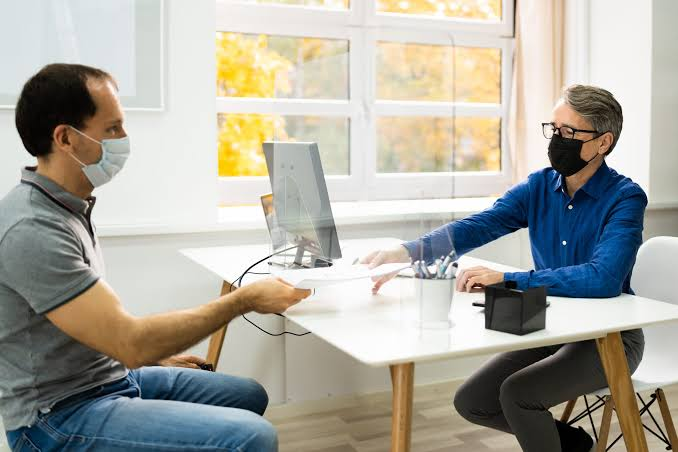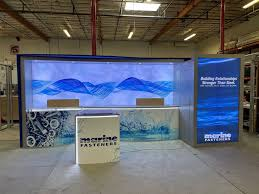
A strong trade show booth begins with a clear and honest talk. When you share your ideas with your designer early, the process becomes smooth and less stressful. This first discussion helps avoid mistakes and keeps everyone focused on the same goal.
Your booth acts as a face for your business at the event. A clear plan for a Trade Show Display helps visitors notice you and understand your message without effort. This article explains the main points you should discuss with your designer before work begins.
Clear Goals and Key Message
Start by explaining why you plan to attend the trade show. Tell your designer what success looks like for you. Some teams want more leads, while others want to explain a service or build trust. A clear goal helps shape every design choice. Next, share your main message. This message should be easy to read and simple to remember. When your designer understands this message, they can plan visuals and layouts that support it. A focused message keeps the booth clean and easy to understand.
Knowing Your Visitors Well
Your booth should speak to the right people. Describe your target visitors in simple terms. Explain their roles, needs, and problems they may face. This detail helps your designer choose the right style and tone. A booth that speaks to visitors feels welcoming and relevant. When people feel understood, they stay longer and ask more questions. This connection begins with clear details shared before design work starts.
Space Details and Event Rules
Every trade show has rules that affect booth design. Share the exact size of your space with your designer. Mention height limits and layout rules set by the event team. These details help avoid changes later. Also, discuss where your booth sits on the floor. Talk about the nearby booths and aisle direction. A good layout allows visitors to enter with ease and move freely. This planning helps your booth feel open and inviting.
Materials and Lighting Choices
Materials affect look, weight, and care needs. Some materials feel modern while others feel warm and familiar. Share any preferences you have so the designer can suggest the best options. Lighting plays a big role in how your booth feels. Good light helps people see signs and products clearly. Soft lighting creates comfort, while bright light draws attention. This topic deserves careful discussion early on.
Budget and Time Planning
A clear budget helps everyone make smart choices. Share your budget range with your designer at the start. This step avoids ideas that do not fit your limits. Time matters just as much as cost. Ask about each stage of the project and how long it takes. A clear timeline helps your team prepare and reduces last-minute stress. Planning ahead leads to better results.
Visitor Experience and Interaction
Think about how visitors will use your booth. Discuss ways people can interact with your space. Interaction helps visitors stay longer and remember you after the event. Some ideas may include screens, seating, or sample areas. Choose options that fit your goal and space. A well-planned Trade Show Display uses interaction to guide conversations in a natural way.
A thoughtful discussion with your designer leads to a better booth. When you share goals, space details, budget, and plans early, the design process feels clear and organized. This teamwork helps create a booth that attracts visitors and supports your success at every event.
About the Author