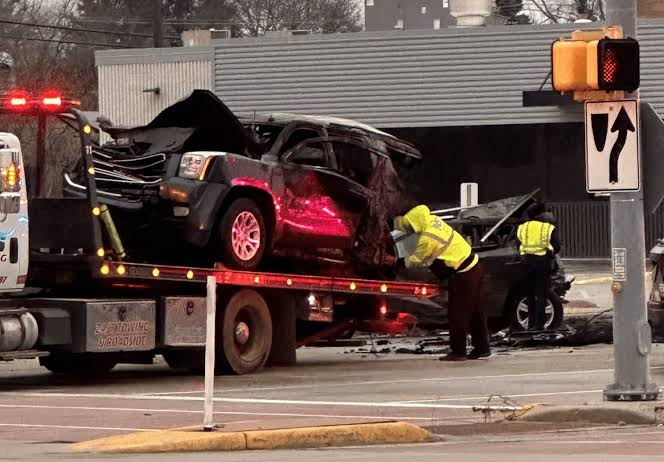
A hit-and-run crash in Wauwatosa can leave you shaken, angry, and confused. One moment you are driving home. Then your car is damaged, the other driver is gone, and you are left alone on the road. You may worry about medical bills, car repairs, time off work, and what to tell your family. You might also blame yourself or feel pressure to “just move on.” Do not ignore what happened. Your choices in the next minutes and hours can protect your health, your money, and your rights. This guide explains what to do right away, how to work with police and insurers, and when to contact a lawyer. It also shares how Groth Law Firm approaches hit-and-run crashes in Wauwatosa so you can decide what support you need.
Step 1: Get to a safe place and check for injuries
First move your car out of traffic if you can do so safely. Turn on your hazard lights. Then take a breath and look for injuries.
- Check your own body for pain, bleeding, or trouble moving.
- Check passengers and call them by name to see if they answer.
- If anyone might have a neck or back injury, ask them to stay still.
If you feel any pain or dizziness, treat it as serious. Many crash injuries do not show right away. You do not need to be “tough.” Your body took a hit. Call 911.
Step 2: Call 911 and report the hit-and-run
Next call 911 even if damage looks small. Tell the dispatcher it was a hit-and-run. Share:
- Your exact location and if you are blocking traffic
- If anyone is hurt or trapped
- That the other driver left the scene
The police report is key for insurance and for any claim later. Wisconsin law expects drivers to stay after a crash. When the other driver runs, the report helps show you did what you could.
Step 3: Write down what you remember about the other vehicle
Your memory fades fast after shock. So write or record what you remember as soon as you can. Even small facts can help police and insurers.
Details to Record About the Other Vehicle
| Detail | Examples | Why It Matters |
|---|---|---|
| License plate | Full plate, partial plate, state | Can link to the owner and driver |
| Make and model | “Small red pickup” or “silver SUV” | Narrows the search for police |
| Damage location | “Rear bumper hanging” | Helps match a suspect vehicle |
| Direction of travel | “Turned east on North Avenue” | Helps find possible cameras and witnesses |
| Driver details | Clothing, hair, number of people | Helps witness checks and police work |
Step 4: Look for witnesses and cameras
Then look around. Many hit-and-runs in Wauwatosa occur near homes, stores, and traffic lights. These locations often have cameras.
- Ask nearby people if they saw the crash or the fleeing car.
- Write down witness names and phone numbers.
- Notice doorbell cameras, store cameras, or traffic cameras.
Tell the officer about any cameras you see. The officer can request or preserve the video. Quick action matters because some systems record over video within days.
Step 5: Take photos and video of the scene
Use your phone to record what the scene looks like before anything moves. Take wide and close pictures.
- Your car from all sides
- Broken glass, skid marks, and car parts on the road
- Street signs, traffic lights, and lane markings
- Weather and lighting
Also take photos of any bruises, cuts, or swelling. Repeat these photos over the next days as marks change. These images help tell the story when words fall short.
Step 6: Get medical care even if you feel “fine”
Crash injuries often hide. The Centers for Disease Control and Prevention explains that some head injuries show delayed symptoms after a crash. You can review their guidance on concussion signs here: CDC concussion signs and symptoms.
See a doctor the same day if you can. Tell the provider you were in a hit-and-run car crash. Then keep copies of:
- Visit summaries
- Test results
- Prescriptions and treatment plans
Your health comes first. These records also link your injuries to the crash, which matters for insurance and any legal claim.
Step 7: Report the crash to your insurance
Next call your own insurance company. Many policies require quick notice. Explain that the other driver fled. Stick to the facts.
In Wisconsin, your own coverage may help pay for:
- Medical care
- Car repairs or replacement
- Lost income
You might have uninsured motorist coverage or medical payments coverage. Ask the representative to explain each part of your policy. Then write down the claim number and the name of the person you spoke with.
Step 8: Keep records of costs and impact on your life
Hit-and-run crashes affect more than your car. They can strain your body, your work, and your home life. Start a simple folder or notebook. Track:
- Medical bills and co-pays
- Pharmacy receipts
- Repair estimates and rental car costs
- Time missed from work and lost income
- Childcare or help with chores you now need
Also write short notes about pain, sleep trouble, or limits on daily tasks. These details help show how the crash changed your life, not just your car.
Step 9: Understand Wisconsin law on hit-and-run
Wisconsin treats hit-and-run crashes as serious crimes. The Wisconsin Department of Transportation explains state crash and reporting rules here: WisDOT crash information.
In general, drivers must stop, give information, and help anyone who is hurt. When a driver runs, it can affect both criminal charges and your civil claim. You do not need to quote laws. You only need to know this. Leaving the scene does not reduce your rights. You still can seek payment through your insurance and, if the driver is found, through that person’s coverage.
Step 10: Decide when to contact a lawyer
Finally think about legal help. Hit-and-run cases often raise hard questions.
- What if the driver is never found
- What if your insurer blames you
- What if your injuries grow worse over time
A lawyer who handles crashes in Wauwatosa can review your police report, medical records, and policy. Then that person can explain your options in plain language. You can ask about claim value, time limits, and what to expect from insurers.
You did not choose this crash. You still can choose clear next steps. Protect your body. Protect your money. Protect your rights.
About the Author